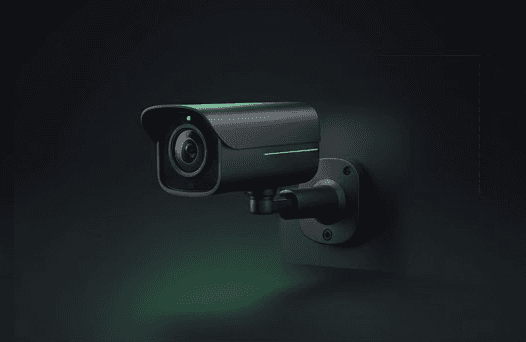
Eufy's pitch is simple: local storage, smart AI detection, and zero monthly fees. Everything other brands charge $3-13/month for — person detection, activity zones, video history — Eufy includes for free. The hardware costs more upfront, but you never pay another dollar after purchase.
Quick answer
- Best overall system: eufy S330 eufyCam 3 — 4K, HomeBase 3, local AI, zero subscription
- Best standalone outdoor: eufy SoloCam S340 — 3K dual-lens, solar-compatible, no hub needed
- Best indoor: eufy Indoor Cam S350 — fixed dual-lens (wide + telephoto), 4K
- Best doorbell: eufy Video Doorbell E340 — dual cameras (main + package view), local storage
eufy S330 eufyCam 3 — Best Multi-Camera System
The S330 system centers around the HomeBase 3 — a hub that stores all footage locally, runs AI detection on-device, and connects your cameras via encrypted wireless link. No cloud dependency, no subscription, no monthly fees.
Cameras record in 4K with BionicMind AI that recognizes familiar faces. Battery life is approximately 12 months per charge (solar panel compatible). The HomeBase has 16GB built-in storage expandable via USB hard drive.
The system supports Apple HomeKit on select configurations, plus Alexa and Google Home. Check current prices on Amazon.
eufy SoloCam S340 — Best Standalone Camera
The SoloCam S340 is a dual-lens camera — one wide-angle lens for overview and one telephoto lens for detail zoom. It records in 3K resolution and operates completely independently (no HomeBase needed). Built-in storage handles footage locally.
Solar panel compatibility means indefinite battery life in most climates. The camera connects to 2.4GHz WiFi directly. Person, vehicle, and pet detection are all processed locally on the camera itself.
This is the best Eufy option if you want one or two cameras without the HomeBase infrastructure. Check current prices on Amazon.
Privacy Advantage
Eufy's local storage means your video footage never leaves your home network unless you choose to access it remotely. There's no cloud server storing your family's comings and goings. For privacy-conscious homeowners, this is a meaningful advantage over Ring (cloud-only) and Arlo (cloud-required).
Remote access works through end-to-end encrypted peer-to-peer connections — Eufy's servers relay the connection but don't store or access your video.
What to Know Before Buying
HomeBase vs standalone: HomeBase-based systems (S330) offer centralized storage and AI processing. Standalone cameras (SoloCam) process AI on-device with built-in storage. HomeBase systems are better for 3+ cameras; standalone is simpler for 1-2 cameras.
HomeKit support: Available on select Eufy cameras but not all models. Check the specific product listing for HomeKit compatibility. HomeKit Secure Video (HKSV) is not supported.
2.4GHz WiFi only: All Eufy cameras connect to 2.4GHz WiFi networks only. Ensure your router has a dedicated 2.4GHz band available.
For Eufy troubleshooting, see our Eufy not detected guide and Eufy HomeBase connection guide. For comparing Eufy against Arlo, check our Eufy vs Arlo comparison.
FAQ
Does Eufy have any subscription fees? No mandatory fees. Eufy offers optional cloud storage plans, but all AI detection, local storage, and core features work without any subscription.
How much local storage do Eufy cameras have? SoloCam models have 8GB built-in. HomeBase 3 has 16GB built-in, expandable with a USB hard drive (up to 16TB). A 2TB drive holds roughly 60-90 days of footage from multiple cameras.
Are Eufy cameras weatherproof? Outdoor models (S330, SoloCam) are IP67 rated — fully dustproof and waterproof for submersion up to 1 meter. They handle rain, snow, and temperature extremes.
What happens if someone steals the camera? If a standalone camera is stolen, the footage on it is gone. HomeBase-based systems are more secure — footage is stored on the HomeBase inside your home, not on the camera itself.