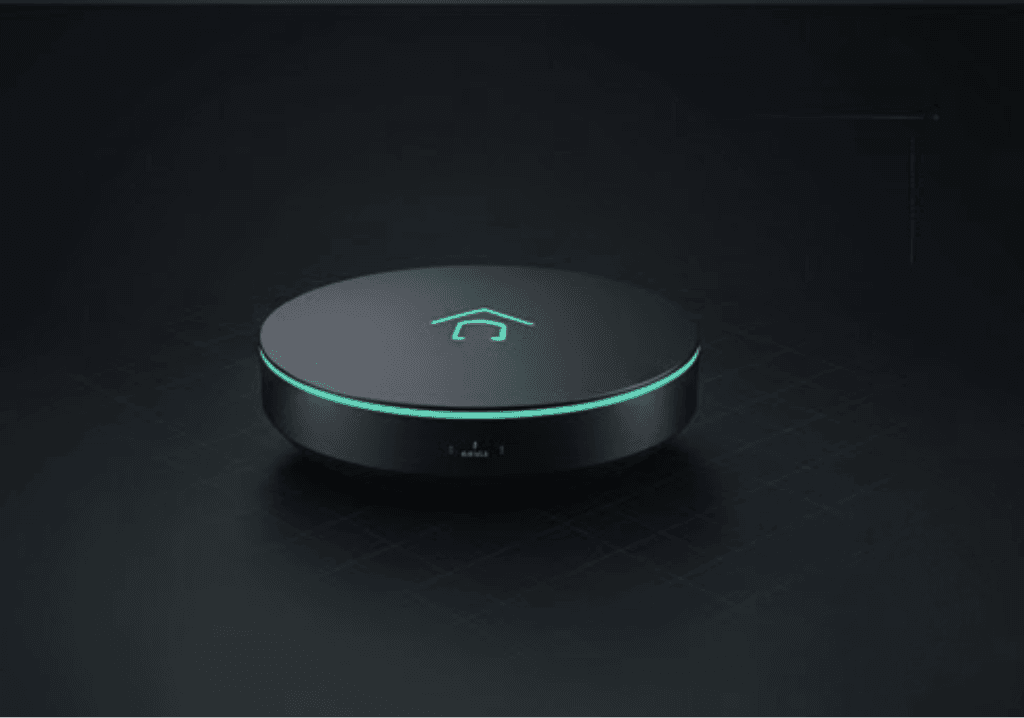
Smart speakers do two jobs: they play music and they control your smart home with voice commands. Which one you buy should depend almost entirely on which smart home ecosystem you're already in — or planning to build.
This guide cuts through the noise and focuses on what actually matters for smart home users: reliability, smart home integration depth, and which speaker becomes the brain of your setup.
Alexa vs. Google Assistant: Choose Your Ecosystem First
This is the most important decision, and most people make it before they realize they've made it. If you have Ring cameras, Philips Hue lights, Ecobee thermostats, and Kasa plugs — you're in an Alexa-friendly world. Amazon's smart home integrations are broader (more third-party devices work natively with Alexa) and the Alexa Routines system is more flexible.
If you use Google services heavily — Google Calendar, Gmail, Google Photos — and you have Nest cameras or a Nest thermostat, Google Home is the natural fit. Google Assistant is slightly better at natural language understanding and search-based questions. Google Home's integration with Matter (the new smart home standard) is also strong.
Apple HomeKit / Siri via HomePod is a third option but appeals to a narrower audience. HomePod Mini ($99) is excellent if you're all-in on Apple, but Apple's smart home device compatibility list is more limited.
The short version: Buy Echo products if you use Alexa. Buy Nest products if you use Google Home. Mixing the two ecosystems works but creates unnecessary friction.
Best Smart Speakers in 2025
Best Overall Value: Amazon Echo Dot (5th Gen)
The Echo Dot 5th Gen is the best entry point into Alexa and smart home voice control. At $50 (frequently on sale for $25–$35), it delivers genuinely good audio quality for its size — a significant improvement over previous Dot generations — and full Alexa functionality.
For smart home control, the Echo Dot does everything an Echo does: control lights, locks, thermostats, cameras, and run Routines. It doesn't have the built-in Zigbee hub that the full Echo has, but for most users that's not a concern since most modern smart home devices connect via Wi-Fi or through their own hubs.
One underrated feature: the Echo Dot 5th Gen has a temperature sensor built in, which you can use in Alexa Routines (e.g., "if the room gets above 75°F, turn on the fan"). It also has a tap-to-snooze alarm feature and improved sound processing for music.
Best for: Bedroom, office, guest room — any space where you want Alexa presence without spending much. Also the best starting point if you're new to Alexa.
Best Alexa Hub Speaker: Amazon Echo Dot Max
The Echo (4th Gen) has been discontinued and replaced by the Amazon Echo Dot Max — Amazon's current flagship Alexa smart home hub device. The Dot Max is notably more capable than its predecessor: it includes Zigbee, Thread, and Matter built in, plus Alexa+ and an ultrasound presence detection sensor that can trigger automations when you enter or leave a room.
For smart home users, this is the device to anchor an Alexa setup. You can pair Zigbee devices (Philips Hue, IKEA Tradfri, sensors) directly without a separate hub, and the Thread radio means it serves as a border router for Matter devices — the same value the Echo 4th Gen provided, now with expanded protocol support. Sound quality is excellent for a compact speaker.
Best for: Living room, main smart home hub, Alexa+ households, anyone who wants Zigbee + Thread + Matter in one device.
Best Smart Display: Amazon Echo Show 8 (3rd Gen)
The current Echo Show 8 is the 3rd Generation model, and it's a meaningfully better device for smart home users than earlier versions. The 8-inch screen hits the sweet spot between the compact Echo Show 5 and the large Echo Show 10.
What makes the 3rd Gen notable for smart home users: it includes a built-in Zigbee, Thread, and Matter hub — the same hub capability as the Echo Dot Max, in a display. That means it serves as both your smart home command center and your hub, without needing separate hardware. Camera feeds, weather, calendars, and smart device status are all accessible on screen. If you have Ring cameras, the Echo Show 8 is the best way to pull up live feeds without picking up your phone.
Best for: Kitchens, living rooms, Ring camera households, anyone who wants hub + display in one device.
Best for Google Home: Google Nest Audio
The Google Nest Mini (2nd Gen) has been discontinued and pulled from the Google Store. The current recommendation for Google Home households is the Google Nest Audio — a full-sized speaker with significantly better sound quality than the Nest Mini ever offered, at a comparable price point.
Google Assistant handles natural language particularly well on the Nest Audio. If you ask "what's on my calendar tomorrow?" or "what time does Target close?", Google Assistant tends to give more accurate, context-aware answers than Alexa. For smart home control, it handles Google Home routines, Google TV Streamer commands, and integrates tightly with Nest cameras and thermostats.
Note: Google has announced a new Google Home Speaker (expected spring 2026) that will replace the Nest Audio as the compact Google Home speaker. If you're not in a rush, it may be worth waiting to see the new model.
Best for: Google Home households, users who rely on Google services and calendar/search integration.
Best Google Display: Google Nest Hub (2nd Gen)
The Nest Hub 2nd Gen is Google's answer to the Echo Show — a 7-inch smart display at $100. It's excellent in kitchens and bedrooms. The sleep tracking feature (using Soli radar, no camera required) is genuinely useful for bedside placement. Google Photos integration works better here than anywhere else.
For smart home control, the screen shows Google Home device status and lets you visually control lights, thermostats, and cameras. Nest camera integration is particularly good — live feeds are accessible with one tap.
Best for: Bedrooms, kitchens, Google Home households, users with Nest cameras.
Do You Need a Smart Speaker or a Smart Display?
Smart speakers are better when audio quality is the priority or when you want unobtrusive voice control without a screen. Smart displays add value in locations where you're likely to glance at information — weather, camera feeds, timers, recipes. The screen also makes setup and troubleshooting easier since you can see what's happening visually.
For most homes, a mix works well: a smart display in the kitchen or living room, compact speakers in bedrooms or offices.
Smart Speakers as Smart Home Hubs
Beyond voice control, your smart speaker choice determines your smart home hub. Amazon's Echo Dot Max with Zigbee, Thread, and Matter is the current hub recommendation for Alexa setups. Google's Nest Audio and Nest WiFi Pro with Thread support position well for Matter-based smart homes.
If you're running into issues with Alexa not controlling your smart home devices or Google Home automations failing, our troubleshooting guides cover the most common configuration and network problems step by step.