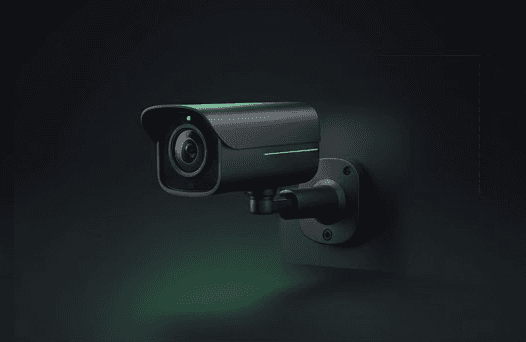
Both Blink and Ring are Amazon brands, which means Alexa integration is a given for both. The real differences are in battery life (Blink wins dramatically), image quality (Ring wins), subscription cost (closer than you'd think), and ecosystem depth (Ring by a mile). Here's how to choose.
Quick answer
- Choose Blink if: Battery life is the priority, you want the lowest possible ongoing cost, or you're adding cameras to areas where recharging is inconvenient
- Choose Ring if: You already have a Ring doorbell or Ring Alarm, want better image quality, or plan to build out a full home security system
- Both are Amazon brands — Alexa integration is strong on both; the differences are in hardware and ecosystem depth
Battery life
This is Blink's defining advantage. Blink Outdoor 4 is rated for up to 2 years of battery life on 2x AA lithium batteries at 20 motion events per day. Real-world performance in high-traffic areas is 6–12 months, but in lower-traffic spots — a side gate, backyard, or secondary entrance — 2 years is achievable.
Ring Stick Up Cam Battery lasts 6–12 months under typical use. Heavy motion detection or Live View usage drains it faster. In cold climates, expect 4–6 months.
The reason Blink lasts so much longer: it uses a less power-hungry processor and more conservative default sensitivity settings. The trade-off is slower motion detection response and simpler image processing.
Edge: Blink — significantly. For cameras in hard-to-reach spots, Blink's battery advantage is decisive.
Image quality
Ring Stick Up Cam shoots 1080p HDR and produces noticeably sharper footage than Blink's equivalent. Color accuracy is better, and Ring handles high-contrast scenes (doorways with bright backlight) more gracefully.
Blink Outdoor 4 also shoots 1080p, but the processing is simpler — footage can look flat and detail in darker areas of the frame is lost more easily. Night vision is standard infrared (black and white) on both, but Ring's night footage is cleaner.
Edge: Ring — better image quality at equivalent resolution.
Motion detection speed
Blink's PIR (passive infrared) sensor relies on heat differential to detect motion. The default sensitivity is conservative to preserve battery life, and the PIR-to-recording pipeline has a 2–4 second lag at typical settings. The result: Blink often misses the beginning of motion events, recording the "back of head" as someone walks away.
Ring also uses PIR but with faster wakeup logic and more aggressive default sensitivity. Ring consistently captures the beginning of motion events more reliably.
Edge: Ring for motion detection speed and reliability.
→ Fix: Blink outdoor camera motion detection delay
Subscription costs
Blink offers two options:
- With a Blink Sync Module 2 + a USB drive: local storage for free, no subscription needed
- Without local storage: Blink Subscription Plan at $3/month per camera or $10/month unlimited (60-day cloud history)
Ring Protect: $4/month per camera or $10/month for all cameras (60-day history).
At the household plan level, both are $10/month. The key Blink advantage is the local storage option — if you buy a Sync Module 2 ($35) and a USB drive ($10), you can store 60 days of clips locally with zero monthly cost.
Edge: Blink for households willing to set up local storage. Ring and Blink are equal at the cloud subscription plan level.
Ecosystem depth
Ring has one of the most complete home security ecosystems available: Ring Video Doorbells, Ring Alarm (professional monitoring), Ring Cameras, Ring Smart Lighting, and Alexa integration throughout. If you already have a Ring doorbell or Ring Alarm, adding Ring cameras keeps everything in one app with one subscription covering everything.
Blink integrates with Alexa and Amazon devices, but the Blink ecosystem ends there — no alarm system, no doorbell integration, no smart lighting. Blink cameras are standalone devices that happen to be owned by Amazon.
Edge: Ring — substantially. If you want a full home security system, Ring is the only real option of the two.
Smart home integration
Both integrate with Alexa — live view on Echo Show devices, motion announcements, Alexa routines triggered by motion or doorbell press.
Ring also integrates with Google Home (basic live view) and has limited integration with other platforms. Ring cameras can trigger Ring Alarm alerts.
Blink integrates with Alexa only. Blink does not support Google Home or Apple HomeKit.
Edge: Ring for broader integration. Both equally strong for Alexa-specific features.
Value per dollar
For budget-conscious buyers adding multiple cameras, Blink wins:
- Lower hardware price per camera
- 2-year battery life means less maintenance
- Local storage option eliminates recurring subscription costs
For buyers prioritizing quality or building a system, Ring wins:
- Better image quality
- Full ecosystem with doorbell, alarm, and smart lighting
- More reliable motion detection
Our picks
Best budget camera: Blink Outdoor 4 + Sync Module 2
Buy one Sync Module 2 and a USB drive, then add as many Blink Outdoor 4 cameras as you need — no subscription required. For a 4–6 camera home setup where subscription savings matter, this is the lowest total cost of ownership option from any major brand.
- Blink Outdoor 4 on Amazon (paid link)
- Blink Sync Module 2 on Amazon (paid link)
Best for Ring ecosystem users: Ring Stick Up Cam Battery
If you already have a Ring doorbell or Ring Alarm, the Stick Up Cam adds coverage with no new subscriptions — it's covered under your existing Ring Protect plan. Better image quality than Blink, and everything stays in one app.
- Ring Stick Up Cam Battery on Amazon (paid link)
→ See our full outdoor security camera buying guide
FAQ
Can Blink and Ring cameras work together in the same home? Yes, they're both in the Amazon/Alexa ecosystem and can both appear in the Alexa app. But they have separate apps (Blink app and Ring app) and separate subscriptions. There's no shared footage view.
Does Blink work without a subscription? Yes — if you set up a Sync Module 2 with a USB drive, clips are stored locally at no cost. Without the Sync Module, you need a Blink subscription to store any clips.
Does Ring work without a subscription? Ring gives you live view and motion alerts without a subscription, but no video history. You can see that motion was detected but can't review the footage.
Which has better night vision? Both use standard infrared (black and white). Ring's processing produces cleaner night footage. Neither offers color night vision; for that, look at Arlo Pro 5S or Eufy SoloCam S340.
Are Blink cameras waterproof? Yes, Blink Outdoor cameras are rated IP65 (weather resistant) for outdoor use. They handle rain, humidity, and temperature extremes from -4°F to 113°F.
Which is easier to install? Both are straightforward DIY installs — mount, connect to app, done. Blink's setup is marginally simpler. Ring has a more thorough guided setup process with better in-app diagnostics.