Smart bulbs are the easiest upgrade in any smart home — screw them in, connect to an app, and you have dimmable, color-changing, schedable lighting in minutes. But the market is crowded, and the differences between a $10 budget bulb and a $50 Philips Hue bulb matter a lot depending on how you use them.
This guide breaks down which smart bulb is actually worth buying based on reliability, ecosystem fit, and long-term value — not just spec sheet numbers.
What to Know Before You Buy
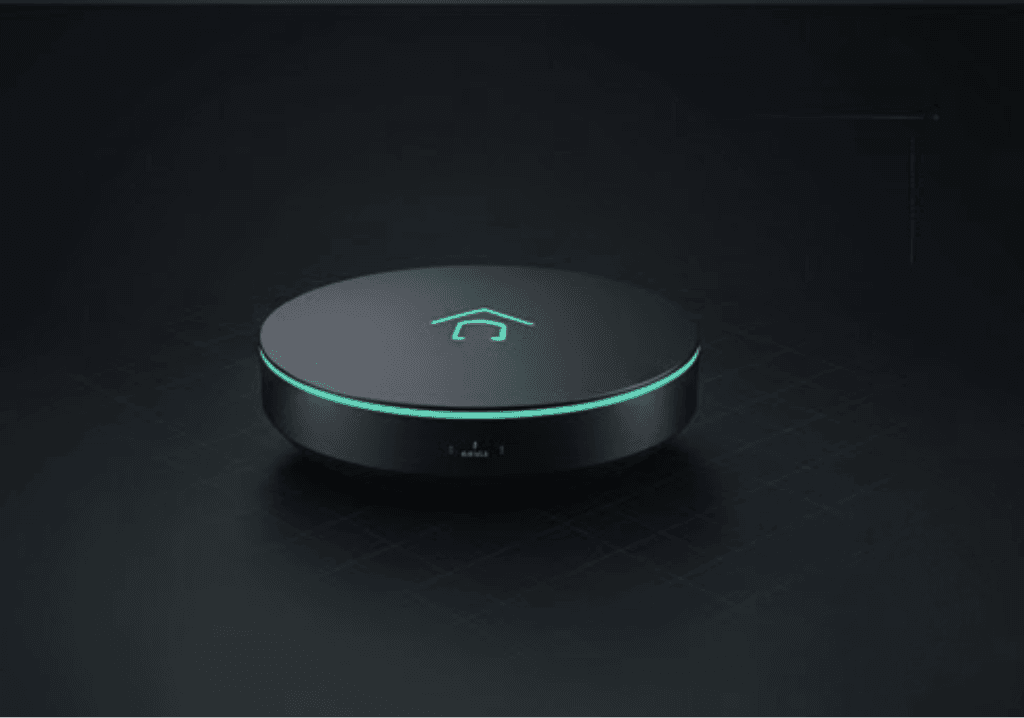
Hub vs. hub-free: Philips Hue bulbs require a Bridge (a separate hub that plugs into your router), while LIFX, GE Cync, and Wyze connect directly over Wi-Fi. Hub-based systems tend to be more reliable because they run on Zigbee instead of Wi-Fi — your lighting doesn't go offline when your router reboots. Hub-free systems are cheaper to start and simpler to set up.
Color vs. white ambiance vs. white only: Full-color bulbs (16 million colors) cost more than white-spectrum bulbs (warm to cool white). If you mostly want adjustable warmth for morning/evening routines, white ambiance is plenty. Color is great for accent lighting, gaming rooms, or kids' rooms.
Ecosystem matters: If you're in a Google Home, Amazon Alexa, or Apple HomeKit household, make sure your bulbs work with your platform. Philips Hue supports all three. LIFX supports all three. GE Cync supports Alexa and Google Home (newer models add Matter for Apple Home compatibility). Wyze supports Alexa and Google Home only — no HomeKit.
Matter support: The newer smart home standard Matter makes bulbs interoperable across ecosystems without relying on individual integrations. Philips Hue (via software update) and GE Cync newer models support Matter.
Best Smart Bulbs in 2026
Best Overall: Philips Hue White and Color Ambiance A19
Philips Hue remains the gold standard for smart lighting, and the White and Color Ambiance A19 is the bulb most people should buy if they're building a real smart lighting setup.
The color accuracy and brightness (800 lumens, up to 16 million colors) are better than any Wi-Fi bulb at this price. More importantly, Hue bulbs run on Zigbee through the Bridge, which means local control — your schedules, automations, and manual control work even when the internet is down. The app is excellent, the reliability is exceptional, and Hue's ecosystem (switches, motion sensors, outdoor fixtures) makes it easy to expand.
The downside is cost: Hue bulbs run $15–$25 each, and the Bridge is an additional $60 if you don't have one. For a 4-bulb living room setup, you're looking at $120–$160 plus the Bridge. That's a real investment. But you're unlikely to replace these bulbs for years, and the whole system stays reliable over time in a way that cheaper Wi-Fi bulbs don't.
Best for: Anyone building a serious smart lighting setup, Apple HomeKit households, users who want local control.
Best No-Hub Option: LIFX A19 Smart Bulb
Note: LIFX was acquired by Feit Electric in 2022. Products and app support continue under the LIFX brand with no disruption to existing devices.
LIFX makes the best Wi-Fi smart bulb on the market — no hub required, and the color output is genuinely excellent. At 1100 lumens (versus Hue's 800), LIFX bulbs are noticeably brighter, which matters in rooms where you need real illumination rather than just ambiance.
Setup is simple: connect to Wi-Fi, download the LIFX app, and you're done. LIFX works with Alexa, Google Home, and HomeKit natively. The app has a polished design, and LIFX's lighting effects (holiday themes, music sync) are some of the best available.
The trade-off is that Wi-Fi smart bulbs can drop off your network, especially in homes with a lot of IoT devices competing for 2.4GHz bandwidth. LIFX reliability is solid but not quite at Hue's level. And LIFX bulbs cost $20–$35 each, putting them in a similar price range to Hue without the hub — but you're missing the Zigbee mesh reliability.
Best for: Users who want premium quality without committing to a hub system, bright lighting applications.
Best Budget Color Bulb: GE CYNC Smart Bulb A19
GE CYNC (formerly C by GE) offers color-changing smart bulbs at a fraction of the Hue cost, typically $8–$12 per bulb, with four-packs frequently on sale. No hub required — these connect directly over 2.4GHz Wi-Fi.
The app is functional rather than impressive, and color accuracy isn't at LIFX or Hue levels. But for a bedroom accent light, a kid's room, or a first smart home experiment, CYNC delivers what it promises. Works with Alexa and Google Home. Newer CYNC models support Matter, which means they'll integrate cleanly with whatever smart home platform you end up choosing.
Best for: Budget-conscious buyers, rental apartments, first smart home setup, accent lighting.
Best Ultra-Budget Pick: Wyze Bulb Color
Wyze Bulb Color typically sells for $8–$10 per bulb and punches well above its price class. No subscription required (unlike some competitors that put advanced features behind a paywall), the app works reliably, and Alexa/Google Home support is solid.
Color accuracy is adequate — it won't match Hue or LIFX, but you'd have to put them side by side to notice. The Wyze app experience has improved substantially over the past two years. If you're outfitting multiple rooms on a budget or want smart bulbs for spaces that don't need premium color, Wyze is the pick.
Best for: Replacing bulbs throughout a whole home on a budget, spaces where color precision doesn't matter.
Philips Hue vs. LIFX: The Real Comparison
These two sit at the top of the market, and the choice usually comes down to one question: do you want a hub?
Hue requires the Bridge (~$60), but once you have it, adding bulbs is fast and the system runs locally. LIFX is simpler to start and slightly brighter, but you're dependent on cloud and Wi-Fi stability. For a 5+ bulb home, Hue tends to win on reliability over time. For a 1–3 bulb apartment setup, LIFX is an easier choice.
What About Subscriptions?
Good news: none of the bulbs in this guide require a subscription for basic control. Philips Hue has an optional Hue + subscription ($5/month) for advanced features like entertainment sync and enhanced Routines, but the standard app is complete without it. LIFX, GE Cync, and Wyze have no subscription requirements at all.
Which Smart Bulb Should You Get?
If you're starting from scratch and want the best long-term setup, Philips Hue White and Color Ambiance with the Bridge is worth the investment. If you want quality without a hub, LIFX is the answer. For a whole-home budget rollout, GE CYNC or Wyze Bulb Color get the job done without breaking the bank.
If you're troubleshooting an existing Philips Hue setup and running into connection or pairing issues, check out our specific Hue troubleshooting guides — the most common problems are usually Bridge-related, not bulb-related.