Smart light switches are a smarter upgrade than smart bulbs for most homes. You control the circuit at the wall, which means regular bulbs (or any fixture) become smart — and your wall switches still work normally. No more telling guests "don't touch that switch."
The catch: smart switches have wiring requirements that smart bulbs don't. This guide covers everything you need to know — including the neutral wire question — and picks the best switches for each situation.
The Neutral Wire Question
Most smart switches need a neutral wire to power their electronics when the switch is "off." Older homes (pre-1990s especially) often have switch boxes with only two wires: a hot and a switched hot. No neutral.
This is the single most important thing to check before buying. Open your switch box and count the wires. If there's a white wire capped off or connected to other whites, you probably have a neutral. If there are only two wires (usually black and white used as a hot), you may not.
Lutron Caseta works without a neutral wire — it uses a different power harvesting technology. This makes it the top pick for older homes. Most Kasa, Leviton, and GE switches require a neutral wire.
Best Smart Light Switches in 2026
Best Overall: Lutron Caseta Smart Dimmer Switch
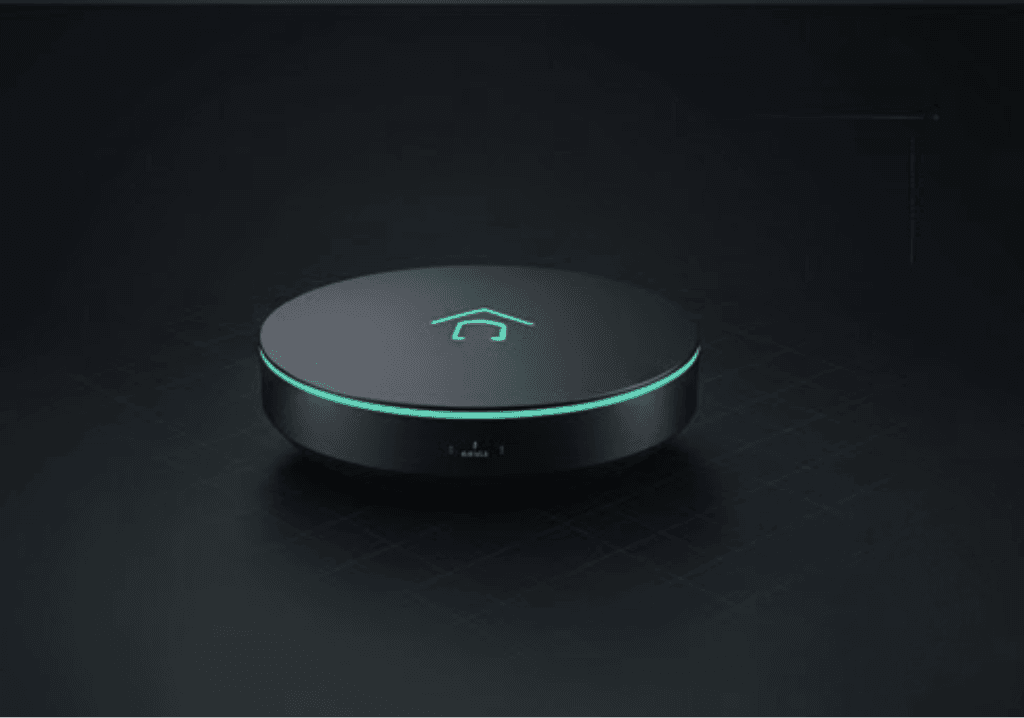
Lutron Caseta is the benchmark for smart switches, and for good reason. The system uses Clear Connect RF technology (not Wi-Fi or Zigbee) through the Caseta Smart Bridge, which means rock-solid reliability. Caseta switches don't drop off your network when your router reboots, and they've built a reputation for lasting years without needing attention.
The key advantages: works without a neutral wire, compatible with a wide range of dimmable bulb types (LED, CFL, incandescent), and integrates with Alexa, Google Home, and Apple HomeKit natively through the Bridge. Lutron also makes Pico remote controls that pair with Caseta switches — a brilliant solution for adding a switch in a location without running new wiring.
The Bridge ($80) is an additional purchase, but it's a one-time cost and the entire Caseta ecosystem shares it. If you're wiring multiple rooms, the per-switch cost of $60–$75 per dimmer is offset by not needing rewiring work in older homes.
Best for: Older homes without neutral wires, anyone who wants the most reliable smart switch available, Apple HomeKit households.
Best No-Hub Option: Kasa Smart Dimmer Switch HS220
Kasa (TP-Link) makes some of the best value smart switches available. The HS220 is a full dimmer that connects directly to 2.4GHz Wi-Fi — no hub required. The app is consistently well-reviewed, Alexa and Google Home integration is seamless, and the physical switch feels quality.
Kasa switches require a neutral wire, so check your wiring first. But if your home has neutrals in the switch boxes (most homes built after 1990 do), Kasa is an excellent choice. Single-pole and 3-way configurations are both available. The price point ($25–$35 per switch) is significantly lower than Lutron Caseta.
The limitation: Wi-Fi switches are inherently less reliable than hub-based systems. If your router goes down or you switch providers, you'll need to reconfigure. For most people this is a minor inconvenience rather than a dealbreaker.
Best for: Newer homes with neutral wires, budget-conscious buyers, Alexa and Google Home households.
Best for HomeKit: Leviton Decora Smart Wi-Fi Dimmer
If you're in an Apple HomeKit household, Leviton Decora is the go-to recommendation. It's Matter-certified, which means it works with Apple Home, Google Home, and Alexa without needing a manufacturer's cloud connection. Setup is clean, and the switch looks great on the wall — Decora's aesthetics are some of the best in the category.
Leviton requires a neutral wire and connects over Wi-Fi. The Decora app is functional, and the Matter certification means you're not locked into any single ecosystem long-term. Pricing runs $35–$50 per switch.
Best for: Apple HomeKit setups, users who want Matter compatibility across ecosystems.
Best Budget: GE CYNC Smart Switch
GE CYNC switches run $20–$30 and offer solid no-hub Wi-Fi connectivity with Alexa and Google Home support. The app is basic but functional. Newer CYNC switches are Matter-certified, which is impressive at this price point.
Requires a neutral wire. Build quality is acceptable — it's clearly a budget product, but it works. Good choice for rooms that aren't high priority or for renters who want smart switches without a major investment.
Best for: Whole-home budget rollouts, secondary rooms, first smart switch experiment.
3-Way Switches: A Special Case
3-way switches (where one light is controlled from two locations, like a hallway) require smart switches compatible with 3-way wiring. Lutron Caseta handles this elegantly with the Pico remote — you install one Caseta switch at the main location and a wireless Pico remote at the secondary location (no wiring required). Kasa has dedicated 3-way switch models. Make sure you're buying the right variant.
Do You Need Smart Switches or Smart Bulbs?
Smart switches work better if you want wall-switch control to remain normal, if you have fixtures with multiple bulbs, or if you're replacing switches in rooms that already have great bulbs. Smart bulbs work better for lamps, accent lighting, color changing, or rental situations where you can't modify wiring. Many people end up using both: switches in fixtures, bulbs in lamps.
For troubleshooting your existing Lutron Caseta or Kasa setup, see our specific guides on common connection, pairing, and dimming issues.