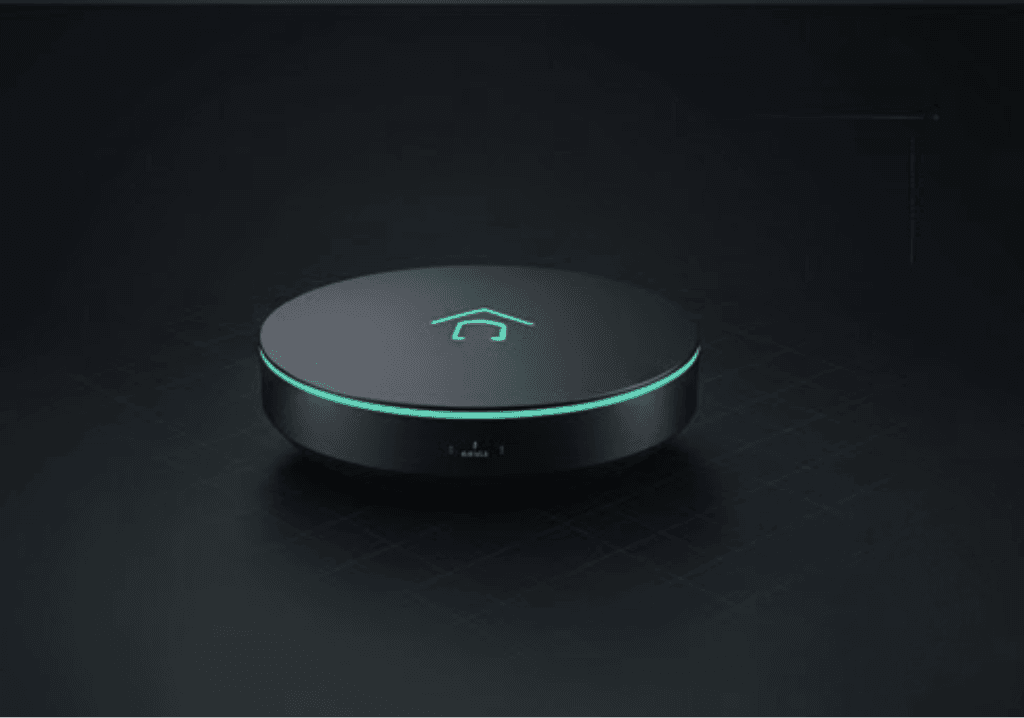
A smart home hub is the device that ties everything together — it's what lets you control lights, locks, thermostats, and cameras from one app, set up automations, and ensure devices from different brands actually talk to each other. The right hub depends on which ecosystem you're already in and how many legacy devices you need to support.
What to Look for in a Smart Home Hub
Protocol support is the first thing to check. The newest standard is Matter, which is designed to work across Apple, Google, Amazon, and Samsung platforms. If your devices are all relatively new, a Matter-compatible hub is all you need. But if you have older Zigbee or Z-Wave devices — door sensors, light bulbs, older thermostats — you'll need a hub that speaks those protocols too.
Ecosystem compatibility matters for daily use. If your household uses iPhones and Siri, HomeKit-based control through a HomePod makes the most sense. If you're on Android and Google Home, a Nest device is the natural choice. Amazon Alexa is the most broadly compatible with third-party devices, and SmartThings is the most protocol-agnostic.
Automation flexibility separates basic hubs from powerful ones. Simple time-of-day schedules are available everywhere. More advanced automations — trigger a scene when a sensor detects motion only between certain hours, or only when a specific person is home — vary a lot between platforms. SmartThings has the most powerful rule engine; Apple Home is the most private (everything runs locally).
Local vs. cloud processing affects reliability. Most hubs require a cloud connection for remote access, but some automations can run locally even if the internet goes down. Apple Home and SmartThings with local execution are better here than pure cloud-based systems.
Amazon Echo Hub — Best for Alexa Users
The Echo Hub is Amazon's dedicated smart home controller: a wall-mounted touchscreen that shows your cameras, controls your devices, and runs Alexa routines. It supports Zigbee natively (so you can add Zigbee sensors and bulbs without a separate bridge), plus it works as a Matter and Thread controller. If your home is already Alexa-based, this is the cleanest way to create a central control point. The main limitation is that it's tightly tied to the Amazon ecosystem — it won't play nicely as a HomeKit hub.
Samsung SmartThings Hub — Best for Mixed-Brand Homes
SmartThings supports more protocols than almost anything else: Zigbee, Z-Wave, Matter, Thread, LAN devices, and cloud-connected services. If you've accumulated devices from multiple brands over the years — some older Z-Wave door locks, some Zigbee sensors, newer Matter light bulbs — SmartThings is often the only hub that can bring them all together. The tradeoff is a steeper learning curve and an app that's less polished than Amazon or Apple's.
Apple HomePod mini — Best for HomeKit Households
If your household is Apple-centric, the HomePod mini does double duty: it's a compact smart speaker that also acts as your HomeKit hub and Thread border router. HomeKit automations run locally on the device, meaning they keep working even if your internet goes down. Privacy is a strong point — Apple processes automation logic on-device rather than in the cloud. The limitation is platform lock-in: HomeKit has the most restricted device compatibility, and you can't use it as an Alexa or Google hub.
Google Nest Hub (2nd Gen) — Best for Google Home Users
The Nest Hub provides a touchscreen interface for managing Google Home routines, viewing cameras, and controlling Matter devices. It's the natural hub for Android households and works well as a visual dashboard in a kitchen or bedroom. Google Home's automation features have improved significantly, though they still lag behind SmartThings in raw complexity. It also doubles as a sleep tracking device (Soli radar chip) if that's useful to you.
Aeotec Smart Home Hub — Best for Z-Wave + Zigbee
The Aeotec hub runs SmartThings software on dedicated hardware — it's essentially the SmartThings hub in a standalone unit. It's especially valuable for users with a lot of Z-Wave devices (which Amazon and Google hubs don't support natively). If you have older smart locks, Z-Wave sensors, or legacy devices you don't want to replace, this hub gives you the best integration path. Setup is more involved than consumer-friendly options, but the payoff is genuine flexibility.
Bottom Line
For most new smart home builders, the Amazon Echo Hub or Google Nest Hub will cover everything you need, depending on whether you prefer Alexa or Google Assistant. If you're an iPhone household, the Apple HomePod mini is the simplest path — it just works within that ecosystem. If you have older devices or a mixed-brand setup that includes Z-Wave or Zigbee hardware, go with Samsung SmartThings or the Aeotec Smart Home Hub — they're more complex to set up, but they're the only options that can reliably bring everything together under one roof.