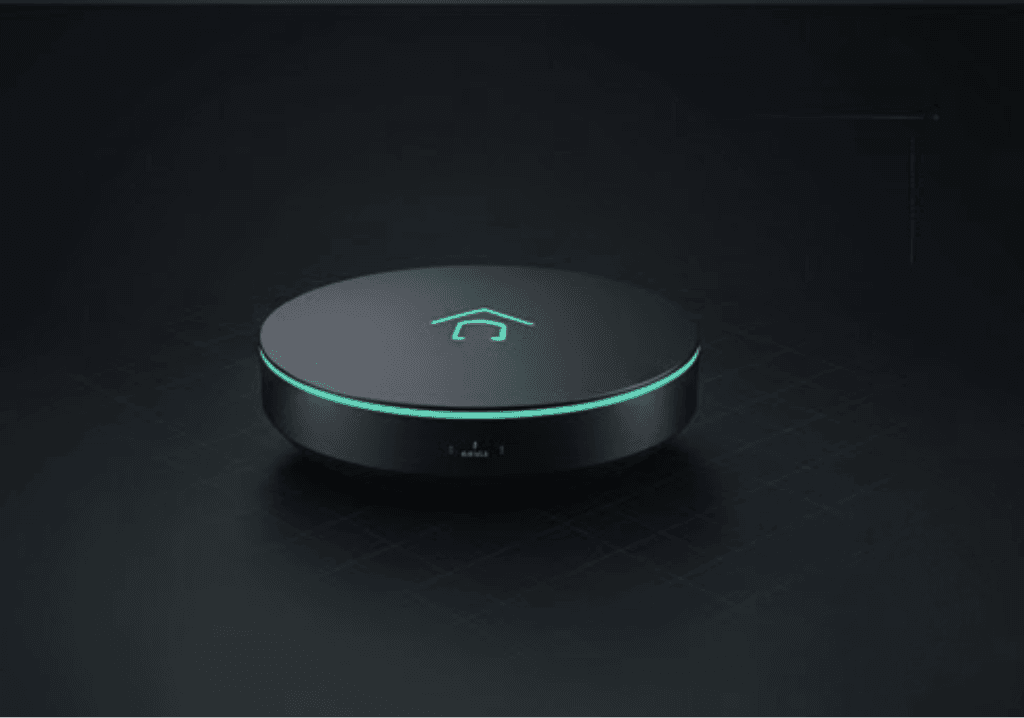
A Ring doorbell with weak WiFi is functionally useless. Live view buffers endlessly, motion alerts arrive minutes late, video quality drops to a pixelated mess, and the device goes offline entirely during peak network usage. The camera hardware is fine — the WiFi connection is the bottleneck.
This isn't a Ring-specific problem. Any outdoor smart camera or doorbell mounted 30-80 feet from your router, through exterior walls, suffers the same issue. The solution is better WiFi coverage at the device location. Here's what actually works.
Quick answer
- Best overall mesh system: eero 6+ — reliable 2.4GHz performance, easy setup, supports 75+ devices
- Best for Google Home users: Google Nest WiFi Pro — WiFi 6E, Thread border router built in
- Best value mesh: TP-Link Deco XE75 — WiFi 6E, tri-band, less expensive than competitors
- Quick Ring-specific fix: Ring Chime Pro — built-in WiFi extender for Ring devices only
Why Standard Extenders Don't Work Well
Traditional WiFi range extenders (the plug-in kind) create a separate network that your devices jump between. This causes connection drops, handoff failures, and reduced speeds because the extender shares bandwidth between talking to your router and talking to your devices.
Mesh WiFi systems solve this properly. Multiple mesh nodes create one seamless network with consistent signal throughout your home and yard. Your Ring doorbell connects to the nearest node at full speed, and the nodes communicate with each other on a dedicated backhaul channel.
For outdoor cameras specifically, the 2.4GHz band matters most. Most Ring devices only support 2.4GHz WiFi, and 2.4GHz travels farther through walls than 5GHz. The best mesh systems prioritize 2.4GHz performance for IoT devices.
eero 6+ — Best Overall
The eero 6+ is the most reliable mesh system for smart home-heavy households. It supports dual-band (2.4GHz and 5GHz) with emphasis on 2.4GHz stability for IoT devices. A 3-pack covers up to 4,500 square feet and handles 75+ connected devices.
Setup takes 10 minutes through the eero app. Place one node connected to your modem, put additional nodes between your router location and your outdoor cameras. For Ring doorbells specifically, place a node near the interior wall closest to the front door.
eero integrates natively with Ring (both are Amazon companies) and supports Alexa. The system automatically steers devices to the best band and nearest node. Smart home devices like Ring cameras get priority bandwidth when needed.
If you're experiencing frequent Ring offline issues, replacing your router with eero typically resolves them permanently. Check current prices on Amazon.
For eero-specific troubleshooting, see our eero dropping devices guide.
Google Nest WiFi Pro — Best for Google Ecosystem
The Nest WiFi Pro is WiFi 6E (tri-band with 6GHz), which means phones and laptops get the fast 6GHz band while IoT devices use the less-congested 2.4GHz and 5GHz bands. Less congestion means more reliable connections for your cameras.
Each node doubles as a Thread border router, which is important if you're adding Matter-compatible smart home devices. A 3-pack covers up to 4,400 square feet.
Google Home integration is seamless — manage your network and smart devices from one app. The system works well with Ring devices despite being a Google product. Camera feeds display on Nest Hub displays. Check current prices on Amazon.
TP-Link Deco XE75 — Best Value
The Deco XE75 is WiFi 6E with tri-band (2.4GHz, 5GHz, and 6GHz) at a lower price point than eero or Google Nest WiFi Pro. A 3-pack covers up to 5,500 square feet, making it the best coverage per dollar.
The Deco app is straightforward for setup and management. The system supports both Alexa and Google Home. IoT device management is solid — you can prioritize specific devices and set up a separate IoT network if needed.
Build quality and aesthetics are slightly less premium than eero or Google, but the performance is competitive and the price is right. Check current prices on Amazon.
Ring Chime Pro — Quick Fix
The Ring Chime Pro is a doorbell chime and WiFi extender in one device. Plug it into an outlet between your router and your Ring doorbell. It extends your WiFi signal specifically for Ring devices and plays doorbell chimes throughout your home.
This is the cheapest solution if you only have Ring connectivity issues and don't want to replace your entire router. It costs $35-50 and takes minutes to set up through the Ring app.
The limitation: it only extends WiFi for Ring devices. Your other smart home devices don't benefit. And as a single-band extender, it's not as effective as a proper mesh system. Think of it as a band-aid, not a cure. If you have WiFi problems throughout your home, invest in a mesh system instead. Check current prices on Amazon.
Placement Tips for Outdoor Camera Coverage
- Place a mesh node near exterior walls where cameras are mounted — the signal has to penetrate the wall, so minimize distance
- Avoid placing nodes behind brick, concrete, or metal — these materials severely degrade WiFi signals
- Elevate nodes — placing them on shelves or high surfaces improves coverage to outdoor devices
- Check signal strength in the Ring app under Device Health after adding a mesh node — look for RSSI values above -60 dBm
- Use Ethernet backhaul if possible — connecting mesh nodes via Ethernet instead of WiFi doubles available bandwidth
For comprehensive mesh WiFi guidance, see our best mesh WiFi guide. For outdoor camera-specific WiFi issues, check our outdoor camera WiFi range guide. If your Ring device is going offline, see our Ring offline troubleshooting guide.
FAQ
Will a WiFi extender fix Ring's live view buffering? Usually yes. Buffering is almost always caused by weak signal at the camera location. Improving WiFi signal to RSSI -50 dBm or better typically eliminates buffering.
Should I use 2.4GHz or 5GHz for my Ring doorbell? Most Ring doorbells only support 2.4GHz. Newer Ring models (Video Doorbell Pro 2) support dual-band. Use 2.4GHz for better wall penetration unless your device specifically supports 5GHz and is close to the router.
How many mesh nodes do I need? For Ring doorbells and front-door cameras, a 2-node system is usually sufficient. For cameras on all sides of the house, a 3-node system ensures full perimeter coverage.
Can I use my existing router with mesh extenders? Some mesh systems (eero, Deco) can work as extenders with an existing router, but you'll get better performance replacing the router entirely with the mesh system as your primary router.