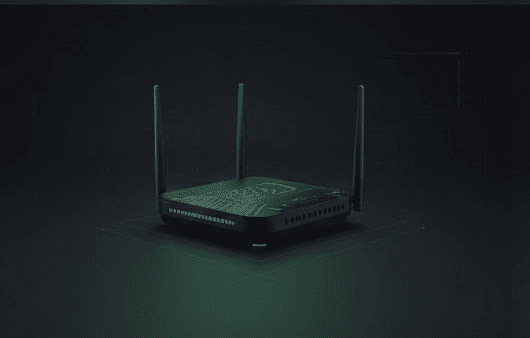
Most mesh WiFi systems deliver only 50-70% of your actual internet speed due to wireless backhaul bottlenecks and poor node placement. When mesh nodes communicate wirelessly, each "hop" between nodes cuts your available bandwidth by roughly 50%. Distance between nodes, walls, and interference from neighboring networks compound the problem.
Quick Answer
- Test your baseline speed: Connect directly to your modem via ethernet to measure true ISP speed
- Check node placement: Position nodes with line of sight or maximum one wall between them
- Switch to wired backhaul: Connect mesh nodes with ethernet cables for full speed
- Upgrade to WiFi 6E mesh: Systems like Eero Pro 6E use dedicated 6GHz backhaul to eliminate speed loss
- Use 5GHz band: Faster speeds than 2.4GHz, though with shorter range
- Check for interference: Use WiFi analyzer apps to identify congested channels
Symptoms
- Speed tests show 30-40% of ISP plan speed instead of expected 50-70%
- Streaming buffers or gaming lags despite high-speed internet plan
- Speed drops significantly when moving away from main router
- Different speed results at various mesh node locations
- Wired devices get full speed but wireless devices don't
Quick Checks
- Baseline test: Connect laptop directly to modem via ethernet and run speed test
- Node distance check: Ensure mesh nodes are 30-50 feet apart maximum
- Band verification: Confirm devices connect to 5GHz, not 2.4GHz
- Interference scan: Download WiFi Analyzer app to check channel congestion
- Modem compatibility: Verify modem supports your ISP plan speed (1Gbps plan needs gigabit modem)
Step-by-Step Fix
-
Establish your baseline speed
- Disconnect mesh system completely
- Connect computer directly to modem with ethernet cable
- Run speed test at speedtest.net - this is your true ISP speed
-
Test each mesh node location
- Reconnect mesh system in current configuration
- Stand next to main router and test wireless speed
- Move to each mesh node location and test again
- Note speed drops between locations
-
Optimize node placement
- Move nodes closer: Maximum 30-50 feet between nodes
- Clear line of sight: Remove furniture or walls blocking signal path
- Elevate nodes: Place on shelves or mount on walls, avoid floor placement
- Check indicators: Most mesh systems show connection strength via LED colors
-
Configure band settings
- Access mesh router settings via app or web interface
- Navigate to WiFi Settings -> Band Selection
- Enable band steering: Automatically connects devices to optimal band
- Prioritize 5GHz: Disable 2.4GHz temporarily to force 5GHz connections
-
Check for interference
- Download WiFi Analyzer app on smartphone
- Scan for competing networks on same channels
- Access router settings -> WiFi -> Channel Selection
- Switch to less congested channels: 1, 6, or 11 for 2.4GHz; 36, 40, 44, 48 for 5GHz
-
Enable QoS if available
- Router Settings -> Quality of Service (QoS)
- Prioritize critical devices: Gaming consoles, streaming devices
- Set bandwidth limits: Prevent single devices from hogging connection
If Mesh WiFi Speed Still Slow
Wire your backhaul: Connect mesh nodes with ethernet cables for full speed retention. Run Cat6 cables between nodes or use powerline adapters as backup.
Upgrade to WiFi 6E mesh: Systems like Eero Pro 6E (paid link) or TP-Link Deco XE75 (paid link) dedicate the 6GHz band exclusively to backhaul communication.
Verify modem capability: If paying for gigabit internet but using old modem, upgrade to DOCSIS 3.1 modem that supports full speeds.
Reduce mesh network size: Sometimes fewer, well-placed nodes perform better than many poorly-positioned ones.
Paid link: GearGuiders may earn a commission at no extra cost to you.
Is Your WiFi Keeping Up with Your Smart Home?
Smart home devices — especially cameras, locks, and doorbells — are notorious for Wi-Fi issues. Our mesh WiFi buying guide covers the best systems for high device counts, including which routers have IoT network isolation and Thread/Matter support built in.
FAQ
Why is my mesh WiFi only getting 40% of my ISP speed? Wireless backhaul cuts bandwidth roughly 50% per hop between nodes. Poor node placement, interference, or using 2.4GHz instead of 5GHz compounds the loss.
Will wiring mesh nodes with ethernet help speed? Yes. Wired backhaul eliminates wireless bandwidth sharing between nodes, delivering near full ISP speeds to wireless devices.
Do I need WiFi 6E for better mesh performance? WiFi 6E mesh systems use the dedicated 6GHz band for backhaul, solving traditional speed loss issues. Worth upgrading if you have gigabit internet or multiple 4K streaming devices.
How far apart should mesh nodes be placed? Maximum 30-50 feet with clear line of sight or one wall maximum. Closer placement with strong signals beats distant placement with weak connections.